
Sustainability and the Environment
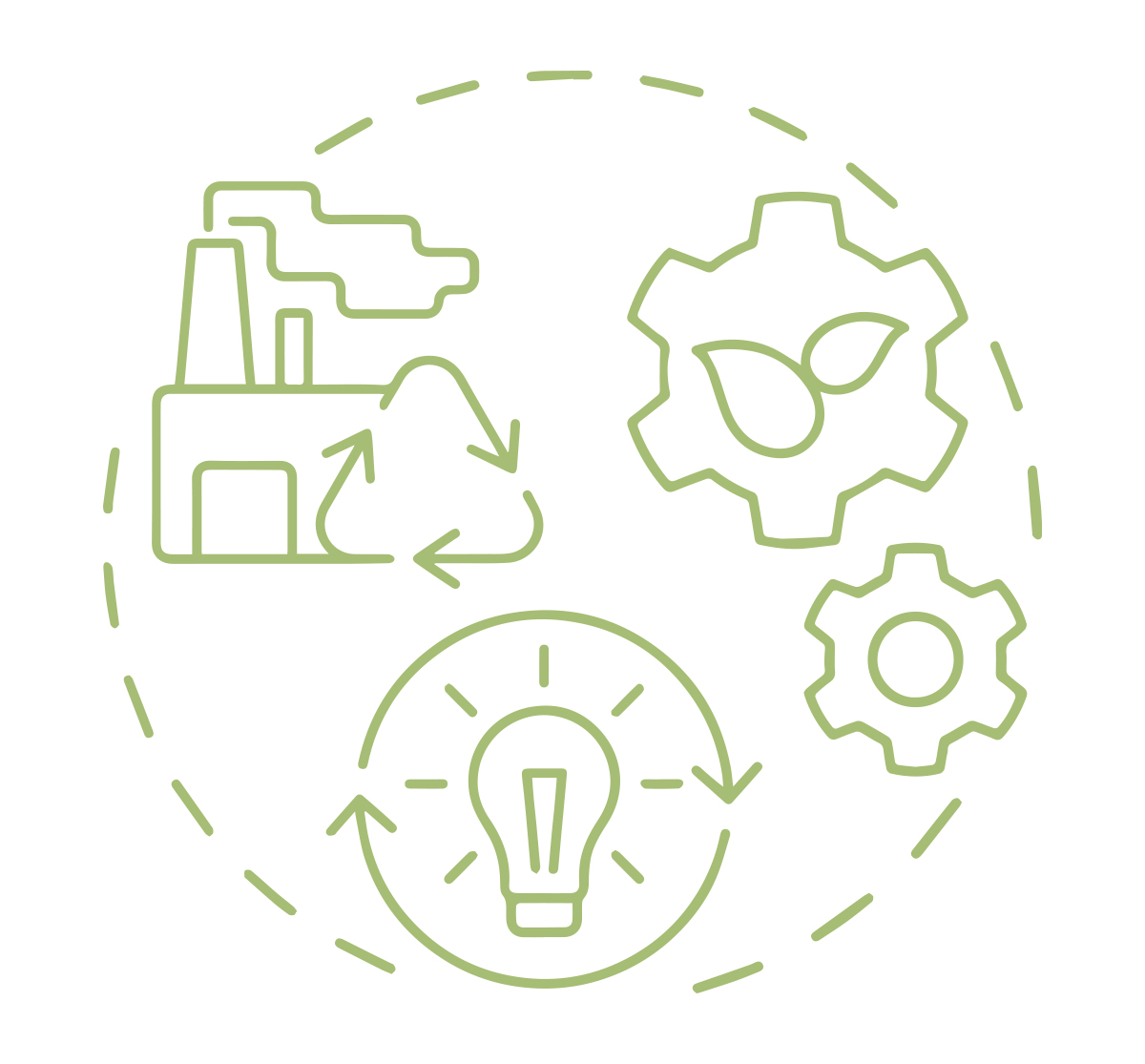
All processes and activities carried out at Plasgen are integrated under the principles of the circular economy, with the single, global, and strategic objective of sustainability.
The circular economy aims to reduce or minimize the input of virgin materials and the generation of waste, ensuring that the value of products, materials, and resources (water, energy, etc.) remains within the economy for as long as possible, while minimizing waste generation.
Company management promotes and supports a new sustainability model that optimizes the use of material stocks and flows, energy, and waste. Its objective is to achieve resource efficiency, using environmental, economic, and social aspects as key pillars.
Our commitment to sustainability is also reflected in the development of sustainable projects carried out jointly with our stakeholders: customers and supplier companies, as well as public institutions and other entities from the academic and research fields.
PLASGEN’S Sustainability Policy
Eco-Efficient
Practices
CLIMATE CHANGE
We measure, reduce, and offset our emissions, prioritizing credibility, verifiability, and additionality. Commitment: To offset all residual emissions until achieving a net-zero balance, thereby becoming carbon neutral.
CLIMATE CHANGE
In 2019, we reduced CO₂ emissions by 5.5% (-78,300 kg) as a result of replacing our entire fleet of diesel forklifts with electric ones.
CLIMATE CHANGE
In 2019, we managed and recycled more than 100,000 kg of plastic waste at our own facility, reintegrating this waste into the value chain by reprocessing it into finished products.
CLIMATE CHANGE
We efficiently adapt our production technology to ensure minimal CO. emissions and zero industrial waste. Our fundamental principle is the reuse of production surpluses, as well as the minimization of natural resource consumption.
CLIMATE CHANGE
We provide our customers with a personalized technical advisory service on products and materials, enabling the reduction of manufactured material thicknesses, which results in a significant decrease in plastic consumption for our clients.
CLIMATE CHANGE
We have adapted our production processes by standardizing designs and manufacturing techniques. Through this initiative, we have reduced the consumption of raw materials for each application we produce, thereby minimizing our environmental footprint.
CLIMATE CHANGE
We have implemented an innovative initiative promoting the use of non-polluting transportation among our team, offering financial incentives to employees who commute to work by bicycle. Through this measure, we significantly reduce our environmental footprint.
CLIMATE CHANGE
We have developed our ECO-PLAST by PLASGEN product line, which includes a high percentage of post-consumer recycled material certified with AENOR and MORE 2020 quality seals. This initiative valorizes plastic waste and actively contributes to the circular economy.
ENERGY SAVING AND EFFICIENCY
We have upgraded all traditional lighting in our facilities to state-of-the-art LED fixtures with motion sensors. This initiative has reduced our CO. emissions by 2%.
ENERGY SAVING AND EFFICIENCY
We ensure that at least 50% of our electricity comes from renewable sources.
PAPER MANAGEMENT
We efficiently implement a ZERO PAPER initiative. It is estimated that each ton of paper requires the cutting of 24 trees. Adopting e-invoicing is more than just an environmental gesture. According to a study by the Seres Foundation, one million printed invoices use 10 tons of wood. The paper industry is among the largest generators of air and water pollutants, as well as greenhouse gases that contribute to climate change. Any paper we do use is 100% recycled and certified.
CROSS-CUTTING PRACTICES
Within the framework of our supplier relationship procedures, we require the periodic reporting of information regarding their consumption, risks, and sustainable management practices.
Our strategic commitment is to support the transition towards a resource-efficient economy by collaborating with and integrating all stakeholders, requesting information on their consumption, risks, and sustainable management practices.
Eco-Design of Sustainable Products
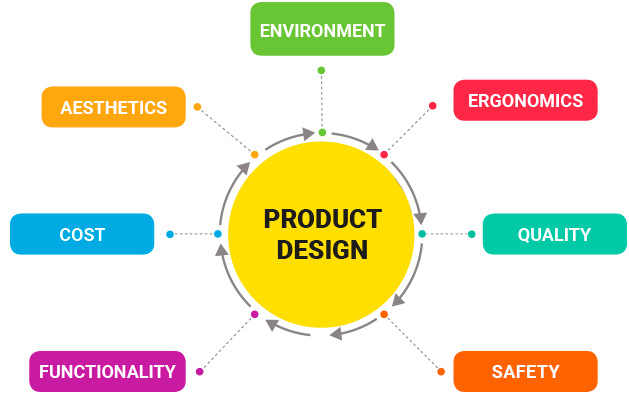
At PLASGEN, we apply the Eco-Design process by incorporating environmental criteria during the product development phase. We aim to take preventive measures to reduce environmental impacts throughout the different stages of the product’s life cycle, from production to disposal. This approach ensures that environmental factors are considered as a key product requirement, with the same importance as other factors such as cost, safety, or quality.
Sustainable Solutions

ECO-Plast
We have developed our product line “ECO-PLAST by Plasgen”, offering products with a high percentage of certified post-consumer recycled material.

High percentage of post-consumer recycled material certified by AENOR

EXTRA-Plast
This product allows a reduction of film thickness by approximately 30% compared to conventional material (depending on the application), while maintaining high performance and packaging speed. This translates into increased productivity for the customer and reduced film consumption.
Material 100% Marterial RECYICLABLE

100% Recyclable
All our products are 100% recyclable.

Circular Economy
We actively collaborate with organizations committed to the Circular Economy through the integration of Recycled Plastic, EuPC and ANAIP. In 2020, we were awarded the annual MORE Seal, which certifies our commitment.
Promoting the Circular Economy
With our product lines ECO-PLAST and RECI-PLAST, we fulfill our commitment to reuse all surpluses and add value to plastic waste,as well as to minimize the use of natural resources, thereby contributiong to the Circular Economy.

We respect and protect the environment, reduce the generation of waste and promote energy efficiency both through the application of operational controls and through the efforts of our employees to minimise the environmental impact of our activities.
Our Commitments
SOCIETY
ENVIRONMENTAL
ECONOMIC
MANAGEMENT AND PLANNING OF OBJECTIVES
SOCIETY
Social Support – PLASGEN and employees contribute through the production of surgical gowns for frontline staff in the fight against COVID 19.
Employability – Partnership with the Faculty of Chemical Sciences of Córdoba for end-of-degree projects and work experience in our production plant.
Training – Committed to workforce integration, we collaborate with the Sagrada Familia Schools (Safa) to facilitate dual professional training practices.
Engagement – We organise student visits to our facilities.
Tradition and culture – We actively collaborate in social, sports and cultural events in our region.
Human capital is our most important resource, and company management believes that only an organisation which motivates its employees and offers training and professional development has the capacity to achieve long-term success.
We ensure that our employees manage and continually improve the quality of their work through their creativity, whilst supporting their personal and professional growth. In parallel, we encourage employee participation in the company health and safety policy, and we comply with their rights and obligations such that there is no discrimination, instilling the correct ethical and workplace behaviour.
Continuous training of our team, with more than 20,000 hours of training courses.
We have implemented an innovative initiative supporting the use of non-polluting vehicles by our employees by incentivising those who come to work by bike. With this measure, we will considerably reduce our environmental footprint.
Since 2018
We actively assess occupational risk prevention and we have a policy of continuous improvement of working conditions.
We have implemented and certified the Occupational Health and Safety Assessment Series OHS18001:2007.
In 2020
Successfully passed the Occupational Health and Safety audit under ISO 45001: 2018
Currently
Prevention Planning and Risk Evaluation activities are at the integration stage, for reliable and effectivement management.
PLASGEN MATERIAS PLÁSTICAS S.L, is enrolled in the Equal Opportunities Plan (Code 41112512112023), with effect from 19-05-2023 to 18-05-2027, through the REGCON ECONÓMICO platform.
ENVIRONMENTAL
We calculate, reduce and offset our carbon footprint, which is the total greenhouses gases emitted directly or indirectly through our operations.
In 2019
– We reduced our C02 emissions by 5.5% (-78,300 kg), following the conversion of our entire fleet of forklifts from diesel to electric.
– We achieved a 2% reduction in our water consumption.
– We managed and recycled more than 100,000kg of plastic waste, returning the excess to the value chain to be processed once more into the final product.
– We replaced traditional lighting across our installations with latest generation LED lighting and motion sensors, reducing our CO2 emissions by 2%.
Since 2018
– We ensure that at least 50% of our electricity is generated from renewable sources.
– We efficiently adapt our productive technology for minimal CO2 emissions and zero industrial waste, our fundamental principle being the reuse of surplus produce and minimising the use of natural resources.
– Efficient purchasing – We consider environmental aspects for all purchases of machinery, raw materials, packaging, etc, with the objective of minimising any associated environmental impact.
– We operate an efficient paperless policy. It is estimated that 24 trees are cut down for each tonne of paper. Implementing an e-billing system is more than a simple gesture to the environment. According to a study by the SERES Foundation, every million invoices printed implies the use of 10 tonnes of wood. The paper industry is one of the highest generators of air and water contaminants, as well as gases which cause climate change. We ensure that the little paper we use is 100% recycled and certified.
– Our commitment to the environment is reaffirmed with the implementation and certification of the environmental management system ISO 14001:2015.
Since 2020 We have been working on a C02 plan reduction plan.
Granting our staff the opportunity to do their part to improve the environment, reducing the CO2 generated by their vehicles.
In this way, we encourage our staff to come to work by bicycle, rewarding their efforts with financial incentives.
ECONOMIC
For PLASGEN
We manufacture products using fewer materials, water, energy, etc, generating less waste which needs to be properly managed. We adapt our production processes, standardising designs and production techniques, enabling us to reduce our consumption of raw materials for each application we manufacture, thereby minimising our environmental footprint.
For our clients
Our clients buy a more long-lasting product, which requires less energy or consumables to work and can be easily adapted. We provide our clients with technical advice on products and materials to achieve a reduction in film thickness, resulting in a notable reduction in consumption.
For our society
Society benefits from a greater availability of resources which can be used for other products and services. Due to the reduced environmental impact, there is a saving on treatment and restoration costs.
MANAGEMENT AND PLANNING OF OBJECTIVES
Date 28/02/2025
Carbon footprint calculation for 2023 with a target of < 3,000 t CO2 according to sector data:
· Implement the proposed reduction measures.
Date 31/12/2025
Reduce energy consumption by 6% within the next year:
· Implement high-efficiency motors and compressors in the extrusion process.
· Optimize machinery scheduling to reduce unnecessary operating hours.
· Install thermal insulation blankets on extruder die heads.
Reduce CO2 emissions by 5% within the next year:
· Implement the proposed reduction measures.
Achieve 100% internal recycling within the next year:
· Recirculate at least 80% of polyethylene waste back into the production process.
· Implement a zero-waste-to-landfill program before 2028.
· Develop partnerships with suppliers to ensure that 100% of packaging materials are recyclable.
Date 31/12/2026
Reach 30% use of recycled material within the next 2 years:
· Develop products containing a minimum of 50% recycled material.
· Establish partnerships with environmentally certified recycled raw material suppliers.
Date 31/12/2027
Use 100% recyclable materials in packaging by 2027:
· Design packaging free from single-use plastics.
· Implement a return and reuse program for industrial packaging.
Date 31/12/2030
Reduce water consumption by 20% within the next 5 years:
· Implement closed-loop systems in cooling processes.
· Detect and repair leaks within a maximum of 24 hours.